


What Is CRM (Customer Relationship Management)?
A simpler way to grow your business by managing customers and sales in one place.

What Is CRM?
Customer Relationship Management, known as CRM, is both a business strategy and a technology platform designed to manage every interaction between a business and its customers. A CRM system stores contact details, communication history, sales opportunities, service records, and customer activity in one unified platform so teams can work efficiently and make informed decisions.
Instead of relying on spreadsheets, scattered notes, or disconnected apps, CRM software creates a structured customer database that helps businesses track leads, automate follow-ups, monitor pipelines, and improve service delivery.
At its core, CRM helps companies:
For growing businesses, CRM becomes the foundation for scalable sales, marketing, and service operations. Let's take a look why CRM is important and who can benefit:
Organize customer information
Track sales and opportunities
Automate communication
Improve customer retention
Increase operational efficiency
Who is CRM for?
CRM is for any business that interacts with customers, prospects, patients, clients, or members and wants to manage those relationships professionally and efficiently.
If your business captures leads, schedules appointments, follows up with clients, provides services, closes deals, or relies on repeat customers, you need a CRM system.
CRM is especially valuable for organizations that:
Handle high volumes of inquiries
Depend on structured sales pipelines
Offer recurring services or bookings
Need team collaboration around customer data
Want to automate communication
Aim to improve retention and lifetime value
Examples Across Industries
CRM supports businesses across virtually every sector, including:
Beauty and wellness such as salons, spas, and aesthetic clinics that manage appointments and client histories.
Home services such as HVAC, plumbing, cleaning, electrical, landscaping, roofing, and general contractors that track jobs, leads, and service records.
Healthcare practices including medical clinics, dental centers, physiotherapy, and mental health providers that coordinate appointments and patient communication.
Automotive businesses such as repair shops, service centers, body shops, and tire centers that track vehicle service history and maintenance reminders.
Hospitality brands including hotels, resorts, restaurants, lounges, and event venues that personalize guest engagement and manage bookings.
Education and coaching businesses such as course creators, fitness coaches, consultants, and mastermind groups that nurture leads and manage enrollments.
Real estate professionals including brokers, agents, and developers that handle property inquiries and client follow-ups.
Technology firms, agencies, and consultancy businesses that manage client pipelines, onboarding, and ongoing account communication.
If your revenue depends on relationships, CRM is built for you.
Types of CRM Systems
Understanding CRM types helps businesses choose the right solution.
Operational CRM
Focuses on automating daily business processes such as lead management, follow-ups, appointment reminders, and customer service workflows.
Analytical CRM
Concentrates on analyzing customer data, sales trends, campaign performance, and behavioral insights to support strategic decisions.
Collaborative CRM
Improves communication between departments by sharing customer information across sales, marketing, and service teams.
Triggant CRM combines operational automation, real-time analytics, and team collaboration into one integrated platform designed for growth-focused businesses.
Why Is a CRM System Important for Your Business?
Modern customers expect fast responses, personalized communication, and consistent service. Without structured systems, businesses lose leads, miss follow-ups, and create inconsistent experiences.
A CRM system is important because it:
Prevents leads from falling through the cracks
Creates visibility across your sales pipeline
Improves internal team communication
Reduces manual administrative work
Provides real-time performance insights
Supports scalable growth
What Are the Benefits of CRM?
CRM delivers measurable and strategic benefits across the organization.
Centralized Customer Database
All customer data lives in one secure location, reducing duplication and confusion.
Increased Sales and Revenue
Structured pipelines and automated follow-ups improve closing rates and reduce missed opportunities.
Improved Customer Retention
Consistent engagement and personalized communication increase loyalty and repeat business.
Automation and Time Savings
Workflows automate reminders, follow-ups, and notifications so teams can focus on higher-value activities.
Better Decision Making
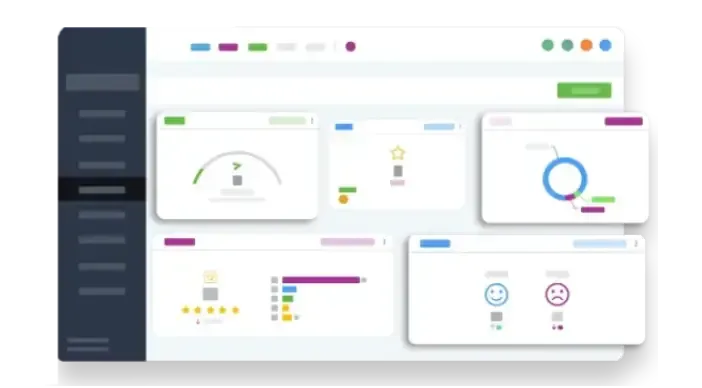
Dashboards and analytics reveal trends, performance gaps, and revenue forecasts.
Stronger Team Collaboration
Sales, marketing, and service teams operate from the same data source, ensuring alignment.
CRM transforms reactive business management into proactive growth management.
What Does a CRM System Do?
A CRM platform performs several core functions that directly impact revenue and efficiency.
A CRM platform performs several core functions that directly impact revenue and efficiency.
A CRM platform performs several core functions that directly impact revenue and efficiency.
It organizes contact information and communication history.
It tracks opportunities through customizable sales pipelines.
It automates SMS, email, and follow-up sequences.
It schedules tasks and reminders for team members.
It stores service history and notes.
It generates performance reports and analytics.
It integrates with marketing tools, calendars, payment systems, and other business software.
In short, CRM connects marketing, sales, and service into one structured system that drives predictable growth
CRM System Implementation Process
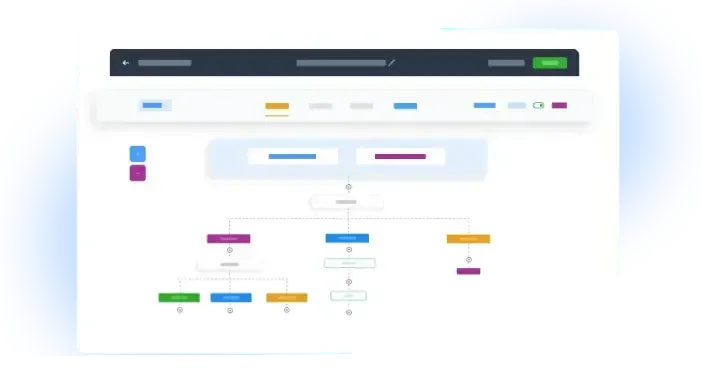
Successful CRM implementation follows a structured approach.
1. Define Business Goals
Identify what you want to improve such as lead conversion, response time, retention, or reporting.
2. Map Existing Processes
Review your current sales, service, and marketing workflows.
3. Configure the CRM
Set up pipelines, automation rules, user permissions, and integrations.
4. Import and Clean Data
Upload contact lists and ensure data accuracy.
5. Train Your Team
Provide structured onboarding to ensure adoption and consistent usage.
6. Monitor and Optimize
Continuously analyze performance metrics and refine workflows.
CRM success depends on strategy, not just software.
Ready to grow your business?
Step up with tools that grow with you — smarter CRM, unified data, and AI-driven support.

Start your free trial
Launch faster with pre-built CRM tools designed to help you grow from day one.

Talk to an expert
Book a call with an expert to get personalized guidance for your business.

Get a demo
See it in action — schedule your personalized live demo and explore all features firsthand.





© Copyright 2026 TRIGGANT FZ-LLC.